In-Depth Glass Repair Guide: Explore Different Types and Solutions
Glass can sustain damage in different forms, spanning from minor chips to severe cracks. Every form of damage needs specialized attention and repair approaches. Recognizing these distinctions is crucial for successful maintenance. Various DIY solutions accessible, yet professional services might be required in some instances. Exploring the implications of quick repairs and prevention methods can further enhance glass longevity. What alternatives exist for both fixing and prevention?
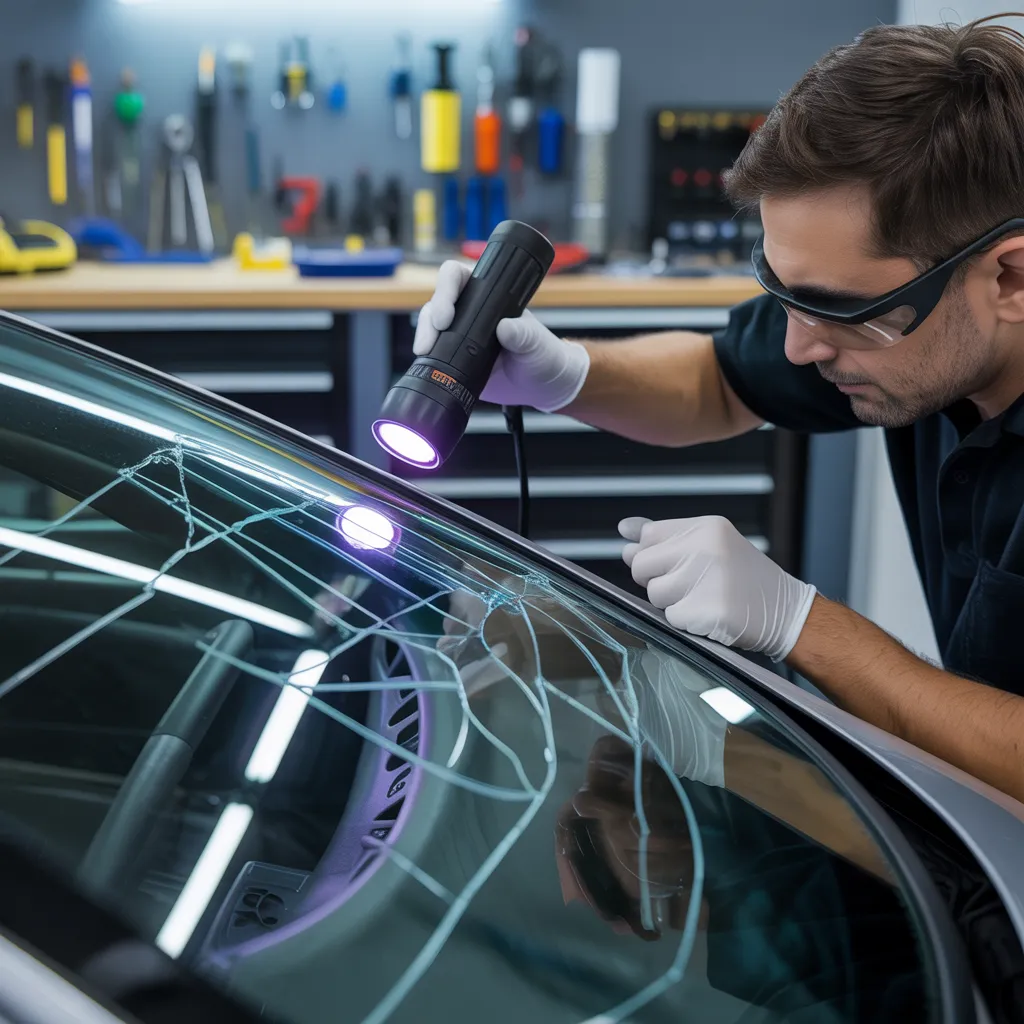
Learning About Several Kinds of Glass Harm
How can one accurately assess the various types of glass damage? Evaluating glass damage means recognizing different categories such as chips, cracks, and scratches. Chips are small pieces that have broken away from the glass surface, often caused by impacts from hard objects. In contrast, cracks can range in size and length, arising from stress or substantial impacts. These can be classified further into surface cracks, which are shallow, and deep cracks that compromise the glass's structural integrity. Scratches, generally surface-level, occur from friction or abrasive substances. Every damage category needs thorough assessment to establish the severity and possible hazards. Determining the position and seriousness is critical, since certain damages might deteriorate progressively or impact visibility and safety. A detailed examination ultimately directs the correct procedures for repair or replacement.
Glass Repair DIY Solutions
Evaluating the kind and severity of glass damage sets the stage for effective repair solutions. For slight chips and cracks in glass, DIY techniques can be both cost-effective and efficient. One typical solution involves using a glass repair kit, which typically includes resin that can fill minor cracks. This process usually requires preparing the damaged area, applying the resin, and allowing it to cure under UV light.
For scratched glass, a mixture of baking soda and water can be delicately worked onto the scratch to diminish its appearance. Another option is that, toothpaste can function as a mild abrasive for minor scratches.
For larger cracks, reinforcing tape can provide temporary stabilization to the glass until a more permanent fix is feasible. While DIY solutions are often suitable for minor issues, it is vital to recognize their limitations and consider professional service for major damage to guarantee the safety and structural integrity.
Professional Glass Repair Services
When confronted with considerable glass damage, obtaining professional glass repair services ensures a safe and effective restoration. Skilled professionals possess the expertise essential to assess the scope of damage accurately and recommend proper solutions. These professionals utilize certified techniques and tools, guaranteeing excellent repairs that satisfy safety regulations.
Moreover, professional services typically provide warranties, providing peace of mind to customers concerning the quality of the repair. They can accommodate numerous types of glass, including residential windows, automotive glass, and commercial storefronts, ensuring a wide range of options for customers.
Furthermore, specialists can pinpoint underlying issues that may not be visible to the untrained eye, preventing future problems. Hiring a professional service not only enhances the visual appeal of the glass but also adds to the general safety and functionality of the space. Therefore, opting for expert assistance is a judicious choice for extensive glass restoration.
Selecting the Correct Repair Option
Choosing the right repair solution for glass requires careful assessment of the damage severity. Deciding whether to repair or replace the glass is essential, as it affects both cost and safety. Comprehending these factors will comprehensive resource guide homeowners in making educated decisions for their glass repair needs.
Analyzing Damage Severity
What's the process for determining the proper repair solution for glass damage? Evaluating damage severity is vital in influencing this decision. To begin with, the size and type of the damage should be analyzed. Small chips and cracks might be fixable, while larger breaks frequently need replacement. Furthermore, one must consider the location of the damage; for example, cracks near edges can compromise structural integrity beyond those in the center.
Following this, examining whether the damage obstructs visibility is important, as appearance factors often influence repair choices. Finally, the age and value of the glass should be considered, as older or specialized glass could benefit from a more careful repair approach. Precise assessment secures the right solution is identified, balancing cost and safety.
Choosing Between Repair and Replacement
Establishing whether to repair or replace damaged glass depends on several critical factors. First, the extent of the damage plays a vital role; minor chips or cracks may be appropriate for repair, while extensive breaks often necessitate replacement. Cost considerations also impact the decision, as repairs may be more economical for minor damage, whereas replacement could be more advantageous in the long term for severely damaged glass. Moreover, the type of glass is significant; some specialty glasses may be difficult or impossible to repair effectively. Finally, safety concerns must be considered; compromised glass that poses a risk to structural integrity or personal safety should be replaced. Evaluating these factors ensures a well-informed decision suited to specific circumstances.
Why Timely Repairs Matter
Quick repairs of glass components are essential in preventing further damage that can escalate into larger issues. Repairing cracks or breaks immediately helps preserve the structural integrity of the glass, guaranteeing safety and functionality. Furthermore, acting quickly can result in cost-effective solutions, ultimately saving time and money in the long run.
Averting Further Damage
Although numerous people might overlook the impact of a slight crack in glass, ignoring timely repairs can result in significant complications. A small defect can promptly escalate, resulting in more severe damage that may necessitate complete replacement. External conditions, such as temperature fluctuations and moisture, can worsen these problems, allowing cracks to spread unexpectedly. In addition, delays in handling glass damage can jeopardize safety, elevating the risk of shattering and potential injury. Timely repairs not only maintain the appearance and functionality of glass surfaces but also protect homeowners from incurring elevated costs associated with more comprehensive repairs. By giving priority to swift action, individuals can effectively prevent further damage and maintain perfect conditions for their glass installations.
Maintaining Framework Stability
A small crack in glass can considerably compromise its structural integrity if left unaddressed. As time passes, even minor imperfections can grow due to environmental stressors, temperature fluctuations, or physical impacts. This degradation not only diminishes the strength of the glass but also introduces safety threats, potentially leading to shattering or complete failure. Swift repairs are critical in preserving the glass's original properties, guaranteeing that it continues to perform as intended. Regular inspections can help detect vulnerabilities before they escalate into serious problems. By handling issues immediately, property owners can maintain the integrity of their glass installations, thereby safeguarding both the structure and its occupants. Prioritizing maintenance results in sustained durability and security in glass applications.
Economical Solutions
Addressing glass repairs in a timely manner can bring about significant cost savings for property owners. Putting off repairs often exacerbates the damage, resulting in more widespread and costly fixes. For example, a small crack can undermine the entire pane, necessitating complete replacement rather than simple repair. Quick interventions not only maintain structural integrity but also enhance energy efficiency, lowering heating and cooling costs. Furthermore, immediate repairs prevent potential safety hazards, decreasing the risk of accidents and liability claims. Homeowners can consider various economical solutions, such as DIY repair kits for minor damages or hiring professionals for more complex issues. Finally, prioritizing timely glass repairs is a prudent investment that protects both finances and property value.
Preventive Measures for Glass Lifespan
To guarantee the longevity of glass, implementing preventative measures is essential, as small actions can significantly reduce the risk of damage. Regular cleaning with proper solutions helps maintain clarity and prevents the formation of corrosive substances. Using microfiber cloths instead of abrasive materials can prevent scratches during cleaning. Additionally, applying protective coatings or films can shield glass surfaces from UV rays and environmental factors, thus prolonging service life.
Proper fitting is also essential; verifying that glass is fitted correctly lessens the likelihood of stress fractures. Additionally, eliminating extreme temperature changes can stop thermal shock, which can result in cracking. It is advisable to keep glass items in safe locations that lower the risk of accidental impacts. All in all, these preventive measures build a supportive atmosphere for glass durability, guaranteeing that it remains useful and beautiful for years to come.
Budget Considerations for Glass Repair
Comprehending the financial considerations related to glass repair is crucial for both residential and commercial property owners. Various factors affect the final price, including the type of glass, extent of damage, and labor costs. Standard window repairs typically range from $100 to $500, while complex installations, such as storefront glass, can surpass $1,000.
Additionally, certain glass varieties, like tempered or laminated glass, may lead to elevated expenses due to their production methods. Labor rates can fluctuate significantly based on location and the technician's expertise, additionally affecting the final price.
Homeowners should also consider whether insurance can cover repair fees, as this may alleviate financial strains. On the whole, conducting a detailed assessment and securing multiple quotes from professionals can ensure informed decisions and possibly lower expenses for glass repair needs.
Questions & Answers
Is Glass Repair Possible Without Special Tools?
Yes, glass can be repaired without special tools using simple materials like tape or adhesive. Nevertheless, these repairs may vary in effectiveness, and professional support is recommended when facing serious damage or concerns about structural integrity.
How Much Time Does Glass Repair Typically Take?
Repairing glass typically takes anywhere from half an hour to several hours, based on the damage's extent and type. Elements like drying duration and technician skill level can also determine the total time required.
Are Glass Repairs Covered Under Insurance Policies?
Glass repair typically falls under insurance policy coverage, specifically under auto or homeowner's coverage. Nonetheless, the level of coverage can fluctuate based on the particular policy terms and the type of the damage.
What Kinds of Glass Cannot Be Fixed?
Particular kinds of glass cannot undergo repair, which include tempered glass, laminated glass, and glass with extensive chips or cracks. Such situations typically call for full replacement to provide structural soundness and safety.
How Can I Locate a Professional Glass Repair Service?
To find a reputable glass repair service, one should research local companies, examine customer reviews, verify scores, and seek recommendations. Reviewing quotes and checking certifications can also help ensure a dependable choice for glass repairs.